
The Quran mentioned the ears and the sense of hearing several times and stressed its importance for learning, understanding and the development of mental capabilities. It also mentioned the larynx and the respiratory distress that may be fatal in cases of severe exhaustion. The nose, mouth, face and ears receive good hygienic care, as they should be washed several times daily in the process of ablution before the regular prayers. There are several sayings by Prophet Mohammed about care for the ears, nose and throat and the use of medications for their problems. In this respect he encouraged the use of local antiseptics, the hot and cold fomentations. There are many Islamic instructions that can prevent and/or treat some ENT–related diseases. Islamic instructions addressed many diseases like sinusitis, obstructive sleep apnea, halitosis and others.
Sinusitis
It’s well known that the most important step in the treatment of sinusitis, either medical or even surgical, is the nasal wash. Nasal wash to be effective must be deep and frequent. For this purpose , they invented many pumps (Figure 1) .
How does Islam treat this problem??
By ablution (Wudoo): It’s just washing with water, by which we clean our organs externally, preparing themselves to pray hoping to be cleaned internally. Islam asks Muslims to do ablution several times through the 24 hr.
When Prophet Mohammad, peace be upon him, taught Muslims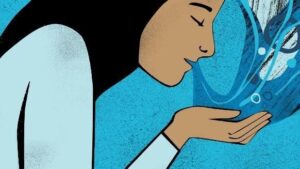 ablution, he said: “exaggerate in nasal wash till water may reach the nasopharynx, unless you are fasting”
Obstructive Sleep Apnea
It’s described as intermittent cessation of airflow during sleep that lasts ≥ 10 s. It is a very dangerous disease that deprives patients from normal sleep that may lead to daytime somnolence/sleepiness with more liability for car accidents.
According to most recent literatures, the treatment is divided into three categories:
- Behavioral Modifications 2. Physical intervention 3. Surgical intervention
Behavioral Modifications consists of:
 1) Weight loss; by dieting and exercises or by bariatric surgery for severe cases
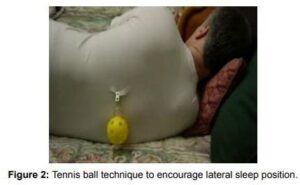
2) Sleeping positions: encourage lateral sleep positions (Figure 2)
How Does Islam Treat This Problem??
By 2 means: 1) Encourage weight loss, through 3 texts Al-Quran kareem:
يبني آدم خذوا زينتكم عند كل مسجد وكلوا واشربوا ولا تسرفوا إنه لا يحب المسرفين” (الأعراف 31)
“O children of Adam, take your adornment at every masjid, and Eat and drink, but be not excessive. Indeed, He likes not those who commit excess.
عن المقداد بن معد يكرب أن رسول الله صلى الله عليه وسلم قال: ” ما ملأ ابن آدم وعاءا شرا من بطنه، بحسب ابن آدم لقيمات يقمن صلبة فإن كان لابد فاعلاً فثلث لطعامه وثلث لشرابه وثلث لنفسه ” (رواه الترمذي وحسنه)
“Son of Adam does not fill bowl worse than his stomach, small bits are enough for him, but if he has to fill it, then, one third for his food, one third for his drink and one third for his breath.” Narrated and corrected by al-tirmizi.
” نحن قوم لا نأكل حتى نجوع و إذا أكلنا لا نشبع ”
“We are people who do not eat until being hungry and if we eat we do not eat to the extent of satisfaction,”
2) Maintain Sleep Hygiene
عن أبي هريرة رضي الله عنه عن النبي صلي الله عليه وسلم أنه قال: ” إذا أوى أحدكم إلى فراشه فليضجع علي شقه الأيمن, ثم ليقل باسمك ربي وضعت جنبي و يك أرفعه إن أمسكت نفسي فارحمها” (رواه البخاري و مسلم و أبو داود)
“If one of you shelter to his bed, he has to Sleep on his right side, then say: “By Your Name, my Lord I put my side and By Your Name I raise it up, if you hold my soul have mercy on it.”
Narrated by Bukhari, Muslim and Abu Dawood.
Halitosis
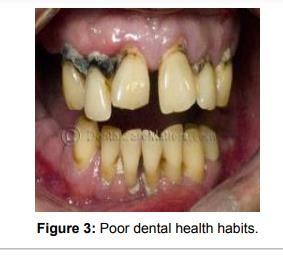 Halitosis Halitosis: is bad breath can result from poor dental health habits (Figure 3) and may be a sign of other health problems such as sinusitis, caries, smoking and alcohol or as a result of eating some foods like onion or garlic .
How does Islam treat this problem??
By three instructions:
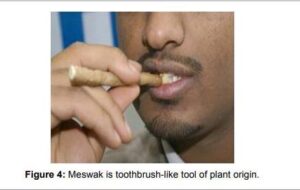 1) Frequent use of SEWAK (or miswak): It’s a toothbrush-like tool of plant origin with good flavor and anticaries effects (Figure 4). Its scientific name is Salvadora persica. The World Health Organization (WHO) recommended the use of the miswak in 1986. In 2003, a scientific study comparing the use of miswak with ordinary toothbrushes concluded that the results clearly were in favor of the users who had been using the miswak, provided they had been given prop er instruction in how to use it.
قال رسول الله صلى الله عليه وسلم لولا أن أشق على أمتي لأمرتهم بالسواك عند كل صلاة ” (متفق عليه)
The Prophet, peace is upon him, said : ” Unless it will be difficult for my people, I’ll order them to use sewak at every prayer”. Narrated by al bukhari and Muslim
2) Advises Muslims not to eat onion or garlic before meetings.
قال رسول الله صلى الله عليه وسلم” :من أكل ثوما أو بصلا فليعتزلنا، أو ليعتزل مسجدنا، وليقعد في بيته ” (رواه البخاري).
The Prophet, peace is upon him, said: “Whoever eats garlic or onion he must void us or avoid our mosque, and stay in his home”. Narrated by al bukhari
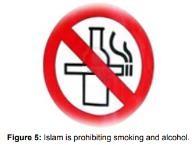 3) Prohibit Smoking and Alcohol (Figure 5). Quran Kareem: “Ye who believe: intoxicants and gambling, (dedication of) stones, and (divination by) arrows, are an abomination, of Satan’s handiwork: eschew such (abomination), that ye may prosper.” (5-90)
“يا أيها الذين آمنوا إنما الخمر والميسر والأنصاب والأزلام رجس من عمل الشيطان فاجتنبوه لعلكم تفلحون ” (السائدة – 90)
Conclusion
The purpose of this article is to spread awareness about the underlying ENT health conditions and hygienic Islamic practices which can prevent such ailments .
━═────────────────────────────═━
Dr. SAMA RIZVI
MBBS, MS (ENT)
Sharda Hospital , Greater Noida